

Food has always been a symbol of money in New Year celebrations. Each country has something specifically special from their area of the world that bring prosperity and abundance to families. These are some examples of New Year's Eve food to eat for abundance.
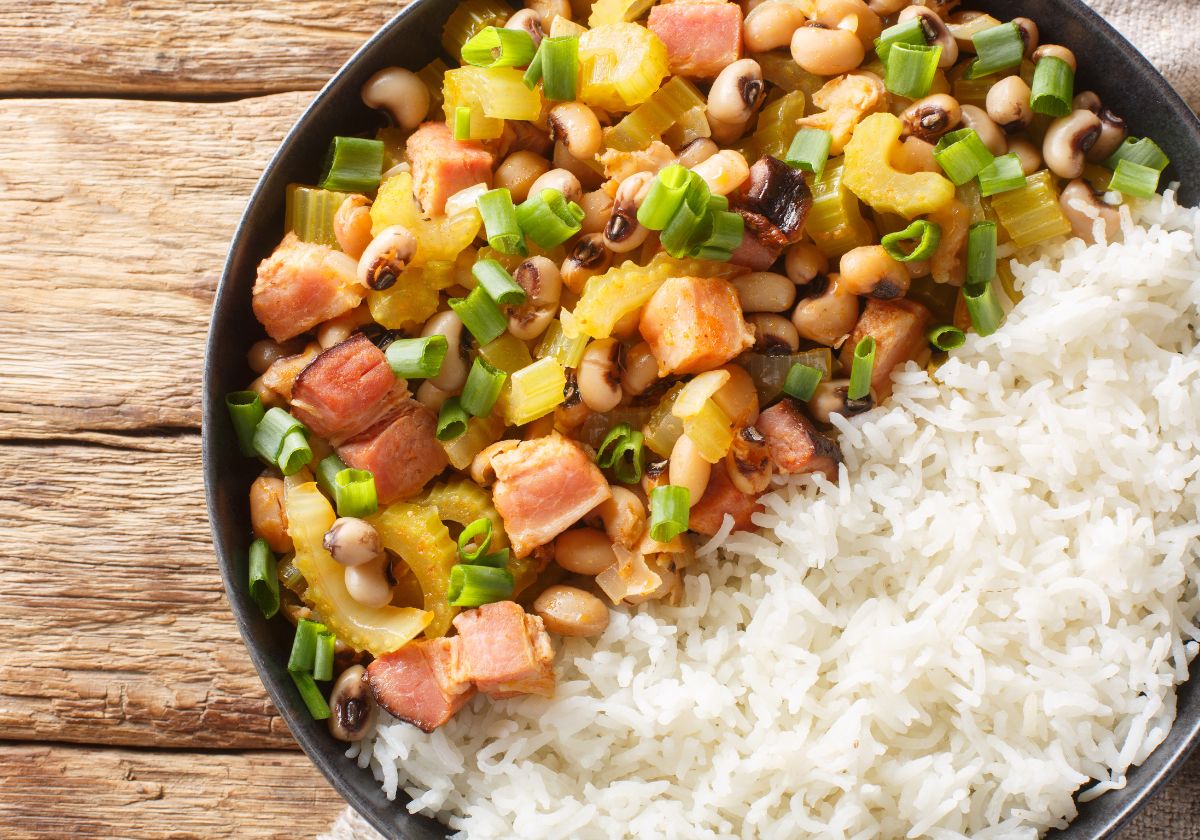 |
1. Hoppin’ John, American South
Hoppin’ John is a dish of pork-flavored field peas or black-eyed peas which symbolize coins, and rice. It's frequently served with collards or other cooked greens which represent money for their green color. A popular side is cornbread to represent gold. All bring luck and fortune in the new year. History of the dish goes back as far as 1847 where it was found published in Sarah Rutledge’s “The Carolina Housewife”.
 |
2. Twelve grapes, Spain
In a tradition similar to our Times Square, families in Spain watch a broadcast from Puerta del Sol in Madrid where people gather and gather around in the clock tower square and ring in the New Year.
They bring in the new year by carefully preparing their grapes by peeling and seeding them so they are ready for midnight!
The tradition was created at the turn of the century by grape producers who had a bumper crop!
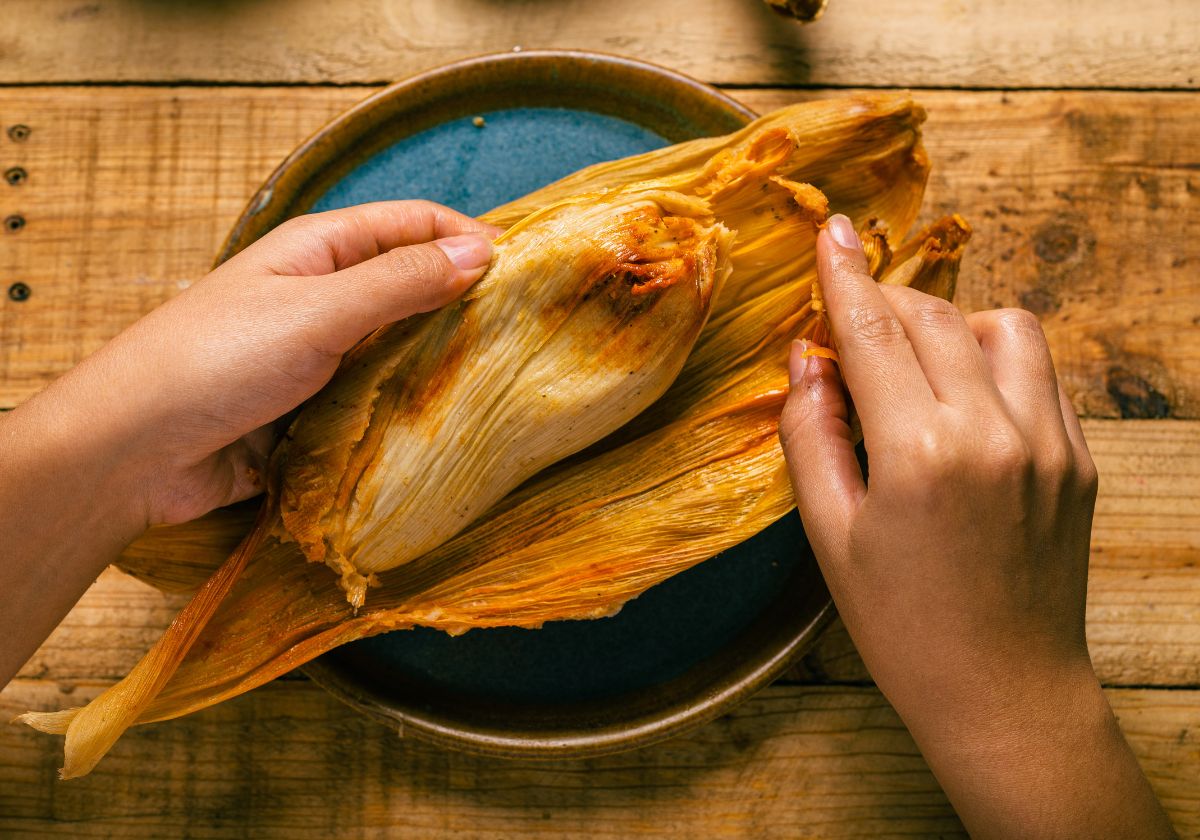 |
3. Tamales, Mexico
Tamales and Menudo are staples for holidays in Mexico and New Years is the height of the year. Families gather together (mainly women) to create the tasty tamales. Each member is in charge of one aspect of the tamale. It's run like a fine engine.
 |
4. Oliebollen, Netherlands
Fried oil balls or oliebollen are sold by street carts and are a New Year's Eve tradition. These delicious bites are donut-like dumplings. They have currants or raisins and are dusted with powdered sugar!
 |
5. Marzipanschwein or Glücksschwein, Austria and Germany
New Year's Eve is known as Sylvesterabend or the Eve of Saint Sylvester. Red wine punch with cinnamon and spices are the beverage of choice and suckling pig is the main course. Marzipan pigs known as marzipanschwein, are also served for good luck and wealth. Gifts of Good luck pigs, Glücksschwein can be made of all kinds of things and exchanged as gifts. The last meal of the old year or the first meal of the new year might include slow-cooked pork shoulder or sausages alongside sauerkraut to bring abundance.
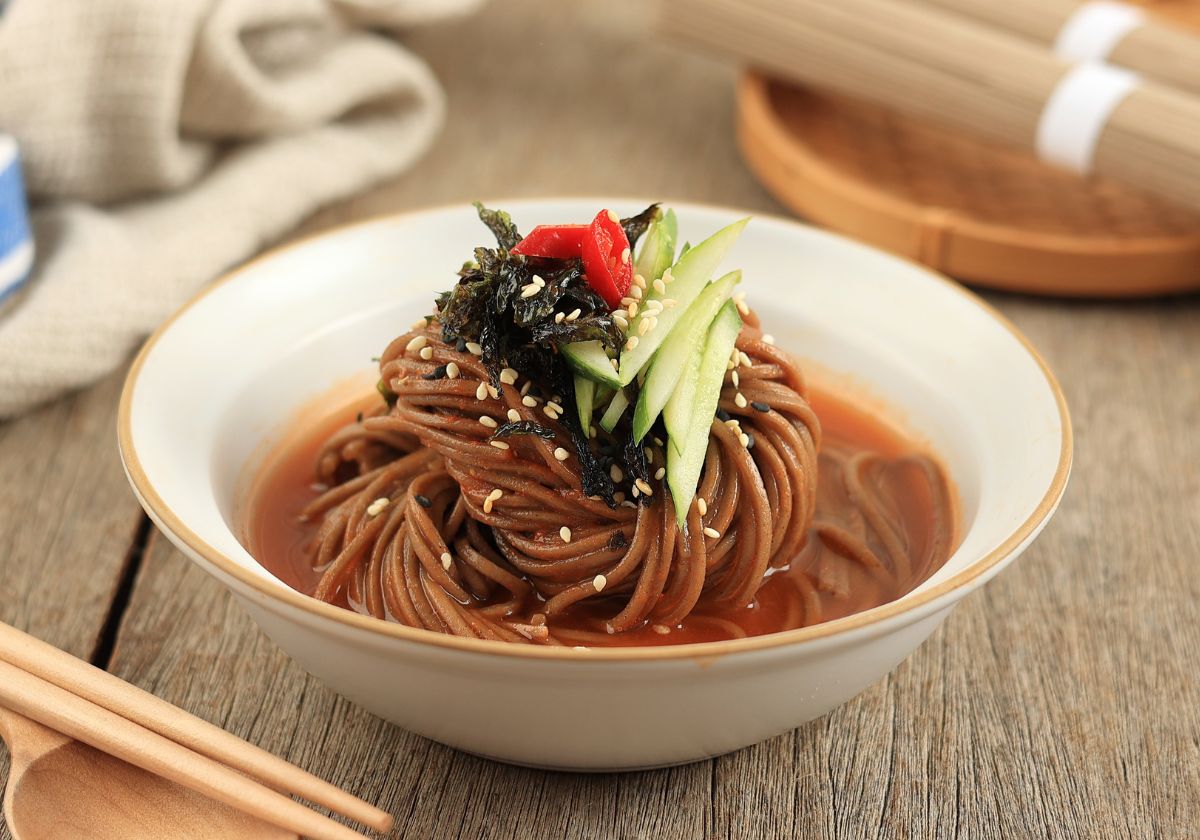 |
6. Soba noodles, Japan
Japanese households enjoy either buckwheat soba noodles or toshikoshi soba at midnight on New Year's Eve to bid the the past year good bye and to welcome the new year. Long noodles have symbolized longevity and prosperity since the 17th century.
Some families and friends gather and spend the day before New Year's pounding mochi rice cakes, the custom is called mochitsuki. The mochi rice cakes are made into small buns and eaten for dessert.
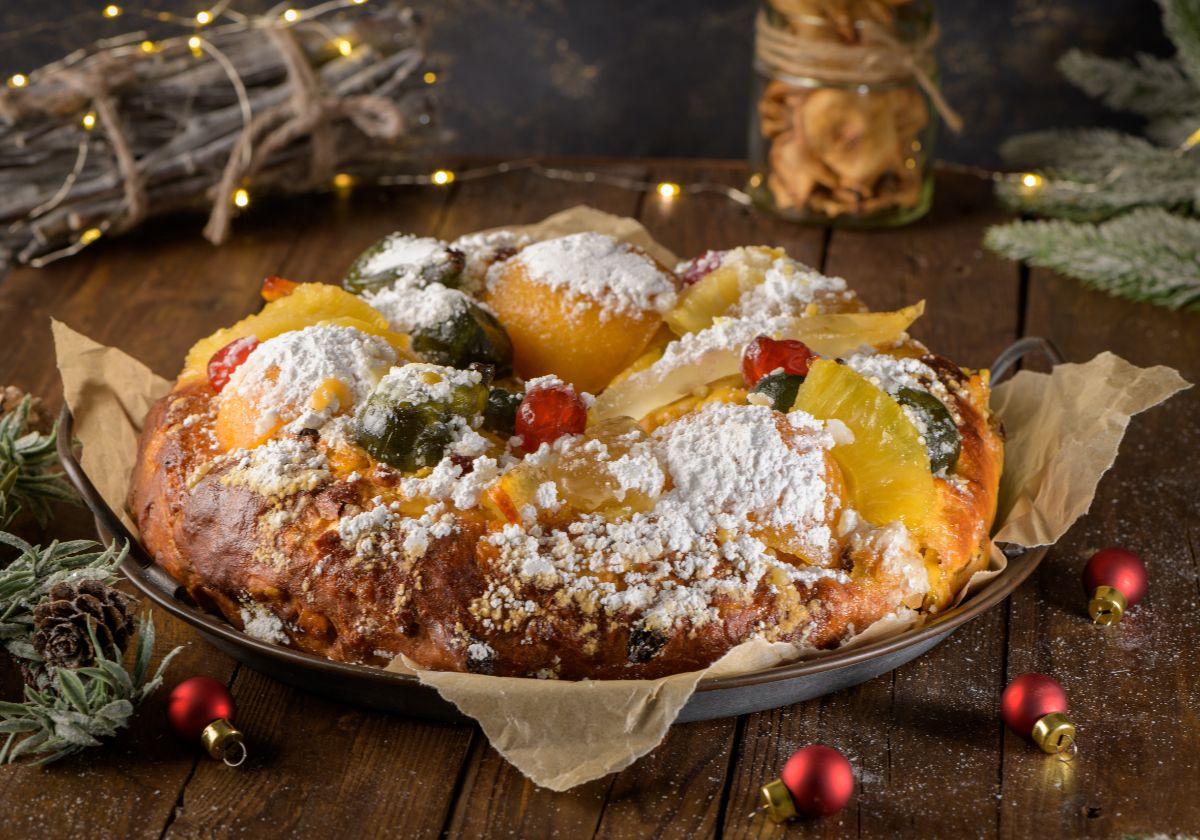 |
7. King cake, around the globe
The New Year's cake tradition is one of many cultures. Greeks have the Vasilopita, French have gateau or galette des rois. Mexican cultures have the Rosca de Reyes and Bulgarians devour banitsa. Many cultures eat the cake at midnight but some cut theirs on Christmas or the Epiphany (January 6). Many cakes have something hidden in them like a gold coin or figure which symbolizes a prosperous year to whomever finds that piece.
The tradition of a New Year’s cake is one that spans countless cultures. The Greeks have the Vasilopita, the French the gateau or galette des rois. Mexicans have the Rosca de Reyes and Bulgarians enjoy the banitsa.
Most of the cakes are consumed at midnight on New Year’s Eve – though some cultures cut their cake on Christmas or the Epiphany, January 6 – and include a hidden gold coin or figure, which symbolizes a prosperous year for whomever finds it in their slice.
 |
8. Cotechino con lenticchie, Italy
In Italy, the New Year's Eve celebration of La Festa de San Silvestro, begins with a traditional cotechino con lenticchie. It's a sausage and lentil stew said to bring good luck. the lentils represent money and good fortune. Some households serve zampone, a stuffed pig's trotter. Dessert is chiacchiere, fried balls of dough rolled in honey and powdered sugar with prosecco.
 |
9. Pickled herring, Poland and Scandinavia
The abundant herring in Poland and parts of Scandinavia are the roots of this next tradition. The silver coloring of the herring represents money and the pickled herring is eaten at the stroke of midnight to bring prosperity and bounty. Some eat the fair with cream sauce and others have it with onions. Sleazier Marynowane is made by soaking whole salt herrings in water for 24 hours and then layered in jars with onions, allspice, sugar and white vinegar.
Scandinavians will include herring in a larger midnight smorgasbord with smoked and pickled fish, pate and meatballs.
 |
10. Kransekage, Denmark and Norway
This wreath cake, know as Kransekage, is a cake tower composed of many concentric rings of cake layered atop one another. They are the focal point and the main attraction for New Year's Eve and other special occasions in Denmark and Norway. The cake is made of marzipan and often served with wine or Aquavit in the center, then decorated with ornaments, flags and crackers.
 |
11. Turkey - Smash A Pomegranate!
Those in Turkey smash pomegranates in the doorways of their homes. It's the number of seeds that fly out which predict how much good fortune you'll have in the coming year.
 |
12. Russia - Father Frost Gives Gifts Of Food.
Father Frost visit children on New Year’s Eve in Russia, he brings gifts while they sleep. Unlike Father Christmas, there are no reindeer but Father Frost's granddaughter, Snegourochka helps with deliveries. The traditional fare is pelmenyi with sour cream, pickled herring, mayo-slicked Olivier salad of boiled potatoes and eggs, and of course caviar and plenty of vodka.
 |
13. Vasilopita, in Greece
Vasilopita, or New Year's cake, hails as a popular dessert in Greece on New Year's Day. The orange citrus cake or bread represents St. Basil, a beloved bishop who frequently gave to the poor. In Greek, vasilopita means "Basil's cake" or "bread," and to celebrate the Feast of St. Basil (which occurs on January 1), people hide a coin inside their bake and share it among family. Whoever gets the slice with the coin is said to have St. Basil's blessing for the year ahead.
 |
14. Soup Joumou—Haiti
For Haiti, January 1 marks the new year and their Independence Day. As part of the celebrations, a pumpkin or squash-based dish called soup joumou is enjoyed. This soup is typically flavored with beef, potatoes, carrots, cabbage, and pasta. The preparation often begins in the early hours of January 1. By midday, the prepared soup is consumed by family and friends. Joumou is a wholesome dish and in 2021 was added to the UNESCO Intangible Cultural Heritage of Humanity list.
 |
15. Ice Cream and Fondue (many dairy traditions)
One Swiss few wacky food traditions surrounding New Year's involves ice cream! At midnight one takes a scoop of ice cream and drops it on the floor to bring good luck in the new year. Some put a wheel of cheese in their bed to bring good luck. My favorite from this country is to simply enjoy fondue or raclette on New Year's Eve.
 |